01
Understand the Air
Air contains varying amounts of water vapor. Temperature and relative humidity help determine how much moisture is available for collection.
Joseph's Well is a step-by-step digital guide that introduces atmospheric water generation and explains how to approach a DIY water collection project using commonly available materials and basic tools.
Designed for beginners: clear guidance without assuming advanced technical experience.
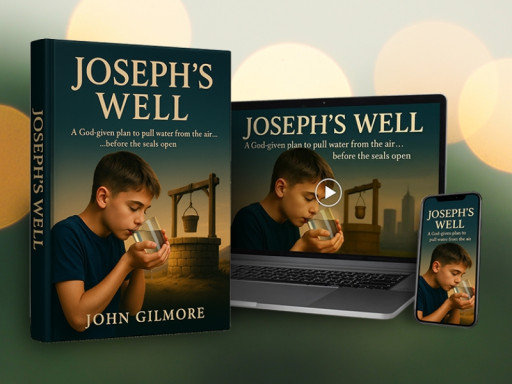
Collecting moisture from the air may sound like a specialized engineering project, but the underlying concept can be explained in straightforward terms. Joseph's Well introduces this idea through a practical DIY guide.
Rather than being a ready-made water machine, Joseph's Well is digital instructional material intended to help readers explore the components, methods, and considerations involved in an atmospheric water collection setup.
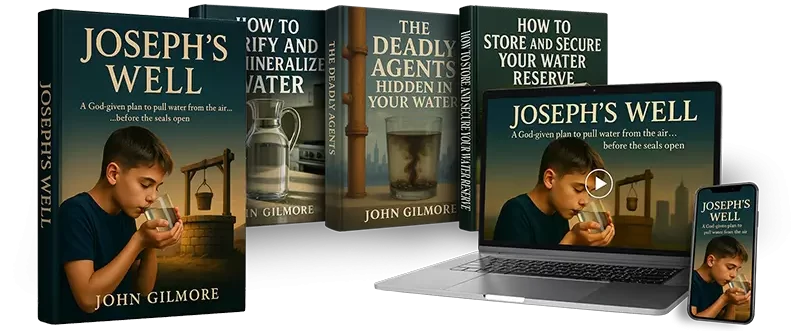
Explore the guide to understand its approach, instructions, and project requirements.
Atmospheric water generation involves collecting moisture present in the air. The exact method and amount of water depend on the system design and local environmental conditions.
Air contains varying amounts of water vapor. Temperature and relative humidity help determine how much moisture is available for collection.
Some systems cool humid air so that water vapor condenses into droplets. Other approaches use different moisture-capture methods. System design affects performance.
Collected water requires suitable handling, storage, and appropriate treatment and testing before any intended use. Collection alone does not establish that water is safe to drink.
Joseph's Well is designed for people who want to understand the idea without needing to begin with advanced technical knowledge. The guide offers an entry point for learning about a DIY atmospheric water system.
A useful DIY resource should help readers understand the idea, prepare thoughtfully, and recognize the limits of a project.
The guide is intended for everyday readers, rather than only engineers or experienced technicians.
Learn about a hands-on approach that uses materials and tools described in the instructional content.
Explore an additional way of thinking about water collection and household preparedness.
Access the guide's instructional content digitally through the official website.
Use the information to assess your available space, local humidity, energy needs, and project requirements.
Review the material and decide whether the project suits your skills, resources, and intended use.
Learning about atmospheric water generation can help you assess whether this type of project fits your circumstances.
Understand how moisture in the air may be collected as a supplemental source under suitable conditions.
Learn about condensation, collection components, maintenance, and the environmental factors involved.
Consider the equipment, costs, energy use, and technical requirements before committing to construction.
Learn why humidity, temperature, ventilation, and available power can affect a system's practical usefulness.
Before starting a DIY project, understand both the learning opportunities and the practical limitations.
Water collected from air is not automatically potable. Materials, collection surfaces, storage, microorganisms, and airborne contaminants can affect quality. Use suitable treatment and independent water-quality testing before drinking collected water. Follow applicable local safety requirements.
Get a clearer understanding of the guide and the principles behind atmospheric water collection.
Explore Joseph's Well to learn more about the DIY approach to atmospheric water generation, review the guide's details, and decide whether the project fits your needs and resources.
Explore Joseph's Well Check Official Details